
Would you be surprised to learn that the average insurance claim for power surge and lightning damage reached $15,065 in 2024? That is a staggering amount for a problem many homeowners assume is just a rare stroke of bad luck. If you’ve been wondering if a professional whole house surge protection installation is actually necessary, you aren’t alone. It’s natural to feel skeptical about adding hardware to your electrical panel when you already have a drawer full of power strips and haven’t had a major issue yet.
We believe in providing the honest facts you need to protect your home and your budget. A whole house protector is the essential first line of defense that actually makes your smaller power strips effective. With the 2026 National Electrical Code now requiring these devices for new and replacement residential service equipment, this technology has moved from an optional add-on to a critical safety standard for modern living.
This guide will debunk five common myths that often lead to confusion for Seattle homeowners. We will explain the difference between massive external strikes and the small, daily internal surges that quietly degrade your expensive electronics. You’ll gain the knowledge needed to decide if your electrical system is ready for a professional upgrade that offers true peace of mind.
Key Takeaways
- Understand why small, internal power fluctuations are more dangerous to your electronics over time than rare lightning strikes.
- Discover why relying solely on power strips leaves your home wiring vulnerable and how panel-mounted devices provide a primary shield.
- See how a professional whole house surge protection installation works to divert excess voltage before it reaches your expensive smart appliances.
- Identify why older homes in Renton and Kent require specific attention to ensure modern electronics remain safe from outdated electrical configurations.
- Evaluate the long-term return on investment for surge protection by comparing a one-time upgrade against the cost of replacing sensitive home tech.
Myth #1: “Surges Only Happen During Lightning Storms”
Many people think they only need protection when thunder rolls across the Puget Sound. It’s a common misconception. In reality, a lightning strike is just the most visible and dramatic type of electrical surge. To understand the actual risk to your property, we first have to look at what is a surge protector and what it actually defends against. An electrical surge is a transient overvoltage. This means the voltage in your home’s wiring briefly exceeds the standard 120V level. While a lightning bolt carries massive energy, it actually accounts for a very small percentage of the surges your home experiences on a regular basis.
The real danger comes from micro-surges. These small spikes happen dozens of times every single day in a typical household. You won’t see your lights flicker, and your TV won’t pop, but the damage is happening behind the scenes. These tiny jolts put stress on sensitive circuit boards and microscopic components. Over time, this cumulative damage leads to what we call electronic rust, where components fail prematurely for no apparent reason. Investing in a professional whole house surge protection installation ensures these daily spikes are diverted safely to the ground before they can reach your expensive tech.
The “Silent Killer”: Internal Power Surges
Believe it or not, most surges come from inside your own four walls. Whenever a large appliance with a motor starts up or shuts down, it creates a brief disturbance in your electrical system. Your air conditioner, refrigerator, and even your washing machine are frequent culprits. Modern Seattle homes are packed with more technology than ever before. Smart appliances, LED lighting, and computers all rely on delicate microprocessors that don’t handle these fluctuations well. Internal surges are the primary cause of electronic degradation over time. Because these events happen so frequently, your devices are essentially being attacked from the inside out.
Grid Fluctuations and Utility Switching
External factors aren’t just limited to storms. The utility grid itself is a source of constant voltage changes. As the power company switches lines or adjusts for high demand, surges can ripple through the neighborhood. If your neighbor is running heavy equipment or a high-demand EV charger on an older local transformer, your home’s voltage might fluctuate as a result. We also see significant issues during Seattle’s winter months. When power is restored after a windstorm, the sudden rush of electricity back into the lines often creates a massive surge. This is exactly why a whole house surge protection installation is a vital safeguard for the long-term health of your home’s electrical system. It acts as a steady hand, smoothing out the unpredictable nature of the municipal power grid.
Myth #2: “My High-End Power Strips Provide Total Protection”
Many homeowners in the Seattle area feel a sense of security once they’ve plugged their computer or TV into a heavy-duty power strip. It’s a logical step. However, relying on these devices alone is like trying to stop a flood with a few sponges at the back door. In the industry, these strips are known as Type 3 Surge Protective Devices (SPDs). While they have a role to play, they are designed to be the final layer of defense, not the only one. If a significant jolt enters your home, a power strip is often too late to stop the energy that has already traveled through your walls. It simply can’t handle the volume.
One of the biggest issues is the way these products are marketed. You’ll often see “joule ratings” on the packaging, suggesting that a higher number means better safety. These ratings can be misleading. They only tell you how much energy the device can absorb before it fails. They don’t account for the speed of the surge or the voltage that “leaks” through to your equipment. To truly safeguard your home, you need a strategy that addresses the Common Causes of Surge at the source. A strip is a backup, not a primary shield.
Where Power Strips Fail
The most obvious limitation is that a strip only protects what is physically plugged into it. Think about the most expensive items in your home. Your refrigerator, dishwasher, oven, and HVAC system are usually hardwired or plugged into dedicated outlets. A bulky power strip won’t fit there. These appliances are packed with sensitive control boards that are just as vulnerable as your laptop. Additionally, electricity doesn’t always follow a straight line. Surges can jump between circuits within your walls before they ever reach a point-of-use protector. Standard strips simply aren’t built to handle the massive energy that a professional whole house surge protection installation is designed to manage.
The Tiered Defense: Type 1 vs. Type 2 Protection
Professional electricians use a “Cascading Protection” philosophy to create a safe environment. This involves a tiered defense that starts where the power enters your property.
- Type 1 Protection: These units are installed at the meter. They are your first line of defense against external surges coming from the utility grid.
- Type 2 Protection: This is the standard for a professional whole house surge protection installation. These devices are mounted at your main electrical panel. They protect every single circuit in your home, including those hardwired appliances mentioned earlier.
By combining a Type 2 device at the panel with Type 3 strips at your most sensitive electronics, you create a comprehensive shield. If you’re unsure if your current setup is sufficient, our team can help with electrical repairs and troubleshooting to identify any gaps in your home’s safety.
Myth #3: “Whole House Protection Is Only for New Homes”
If you live in a charming mid-century home in Renton or Kent, you might think whole-house surge protection is a luxury reserved for new construction. It is easy to assume that if your home has survived thirty or forty years without a major electrical catastrophe, it doesn’t need modern upgrades. However, the reality is quite the opposite. Older homes are actually at a much higher risk for surge damage. While the insulation in your walls and the components in your panel have aged, the technology you plug into those walls has become significantly more delicate.
Think back to the electrical demands of the 1950s or 60s. A typical household’s biggest electronic load might have been a heavy-duty radio or a simple toaster. These devices were built with rugged components that could handle minor voltage fluctuations without blinking. Today, your home is filled with microprocessors. Everything from your LED light bulbs to your smart thermostat relies on tiny, sensitive circuit boards. A professional whole house surge protection installation is the most effective way to bridge the gap between your home’s vintage wiring and your modern tech. Most functioning electrical panels can be retrofitted with these devices, providing an immediate safety boost without requiring a full home rewire.
Retrofitting Older Seattle Homes
Many homeowners worry that their older panel brand is incompatible with modern surge devices. In our experience serving King County since 1952, we’ve found that most panels from established manufacturers can easily accept a Type 2 protector. If your panel is exceptionally crowded or shows signs of wear, a professional panel box upgrade is often a wise prerequisite. This ensures that the surge protector has a solid, clean connection to the ground, which is essential for it to function correctly. Combining these services provides a stable foundation for all your home’s electrical needs.
The 2026 NEC Requirements
The importance of this technology is now recognized at the highest levels of safety regulation. The National Electrical Code has been steadily increasing its focus on surge protection, beginning with the 2020 National Electrical Code. As of 2026, the NEC now mandates that a Type 1 or Type 2 surge protective device be installed whenever residential service equipment is replaced or newly installed. This code change proves that surge protection is a necessity for modern safety, not just an optional gimmick. Furthermore, keeping your home up to current standards is a smart move for your pocketbook. Maintaining a code-compliant system is often a key factor in ensuring your homeowner’s insurance coverage remains valid if you ever need to file a claim for electrical damage.
How Whole House Surge Protection Installation Works
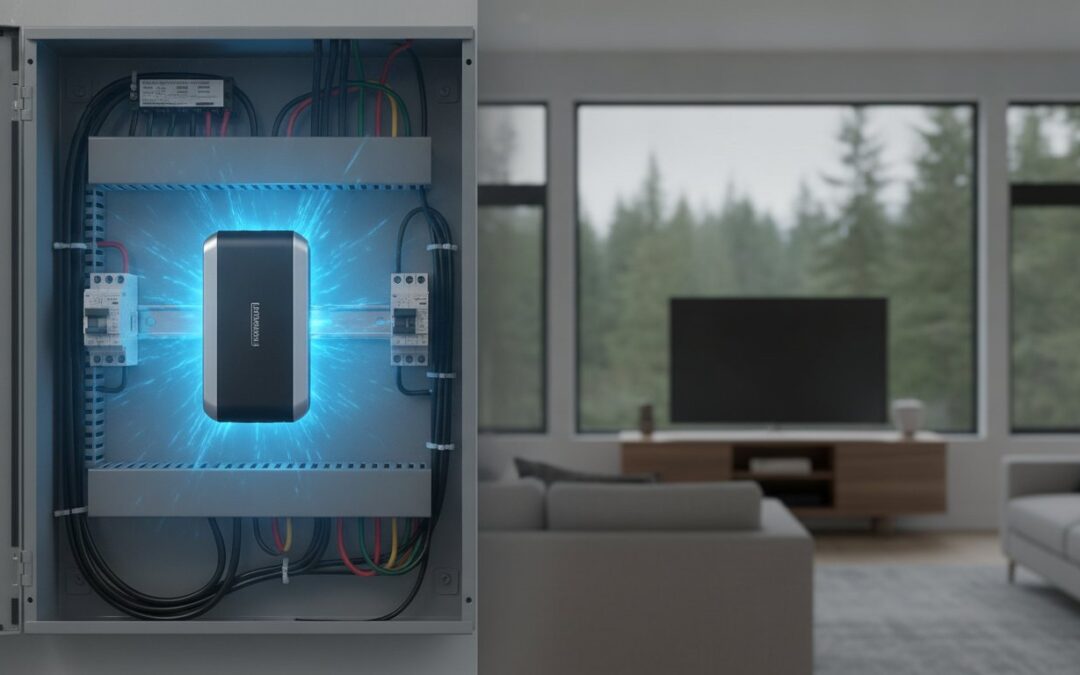
A whole house surge protector is not a complex piece of machinery, but its role is vital. Physically, the device is usually a small, rugged box mounted directly to the side or bottom of your main electrical panel. Inside this box are components called Metal Oxide Varistors, or MOVs. Think of these as pressure relief valves for your home’s electricity. Under normal conditions, they sit quietly and let power flow to your appliances. However, the moment a voltage spike occurs, these MOVs instantly redirect the excess energy away from your home’s wiring and safely into the ground. It happens in a fraction of a second, often before you even realize a surge has hit your property.
While the concept is simple, the execution is high-stakes. Working inside a live electrical panel involves significant risks, including arc flash and lethal electrocution. This is why a professional whole house surge protection installation is never a weekend DIY project. A trained electrician understands how to navigate the high-voltage environment of your panel while ensuring the device is tuned to protect your specific household load. Our team has been handling these technical tasks in the Seattle area for over seven decades, providing the steady hand needed for such a precise safety upgrade.
The Installation Process
When we arrive at your home, we follow a methodical sequence to ensure the best possible protection for your electronics.
- Step 1: We power down the main breaker and use specialized tools to verify the panel is safe to enter.
- Step 2: We install a dedicated double-pole breaker. This allows the surge device to monitor both phases of the incoming power simultaneously.
- Step 3: We connect the device using the shortest possible lead wires. In the world of electrical surges, every inch of wire adds resistance. Shorter wires mean the device can react faster to a spike.
If you are ready to secure your home against the next big Puget Sound windstorm, you can schedule your surge protection installation with our local experts today.
Maintenance and Indicator Lights
Once installed, these devices are largely “set and forget,” but they do require occasional monitoring. Most units feature LED indicator lights, typically green, to show they are active. If you notice a light has turned red or gone out entirely, it means the device has likely sacrificed itself to stop a major surge. These components are sacrificial by design. They wear out after taking multiple hits or one very large strike. We recommend including a check of these lights during your annual electrical safety audit to ensure your primary shield is still standing strong. Keeping an eye on these indicators is a simple way to maintain your peace of mind year-round.
Peace of Mind: The ROI of Surge Protection in 2026
In 2026, the average Seattle home is packed with thousands of dollars in high-end technology. From smart refrigerators and high-efficiency heat pumps to sophisticated home theaters, your electronics are a significant investment. The replacement cost of a single major appliance often far exceeds the entire cost of a professional whole house surge protection installation. It is a one-time safety upgrade that acts like a comprehensive insurance policy for your home’s circuitry. By preventing the need for emergency replacements after a storm or a grid failure, you aren’t just buying hardware; you are protecting your long-term budget from unexpected shocks.
There are also “invisible” savings to consider. Beyond stopping a massive, catastrophic strike, these devices prevent the daily wear and tear of micro-surges we discussed earlier. This constant protection extends the lifespan of your LED lighting and smart appliances. When delicate circuit boards aren’t constantly being hit with minor voltage spikes, they last longer and perform more reliably. This reduction in electronic waste and replacement frequency is where the true long-term ROI is found. It’s about ensuring your home runs smoothly without the silent degradation that plagues unprotected systems.
Protecting Your EV and Smart Home
The modern home is more interconnected than ever. If you have recently invested in an EV charger installation, surge protection is no longer just a good idea; it’s a necessity. Electric vehicles are essentially rolling computers with massive batteries that require perfectly stable voltage to charge safely. Similarly, smart hubs, thermostats, and security cameras are incredibly sensitive to even minor fluctuations. For Seattle homeowners who have added solar panels or backup generators, specialized protection is vital. It helps manage the complex power transitions between the municipal grid and your private energy sources, keeping your smart home devices online and healthy.
The Reinhart Electric Difference
Choosing the right partner for your installation matters as much as the device itself. Since 1952, we have served the Seattle and Renton areas with a commitment to honesty and safety. We don’t just mount a box and leave. We provide the expertise of a multi-generational family business, backed by a professional warranty on both our labor and the device. This local reliability is what has kept our neighbors coming back for over 70 years. We treat every home with the care it deserves. Take the first step toward a safer home and schedule your whole house surge protection installation today. We are here to ensure your peace of mind for years to come.
Secure Your Home’s Future Today
Understanding the difference between a rare lightning strike and the daily “silent killers” of internal surges is the first step toward true home safety. While power strips provide a final layer of defense for your computer or TV, they don’t safeguard the expensive, hardwired appliances that keep your household running. A professional whole house surge protection installation creates a primary shield at your electrical panel. This ensures that every outlet and device remains safe from unpredictable voltage spikes. It is a practical, long-term investment that modern technology now requires for lasting reliability.
Our family-owned business has been a steady partner for homeowners since 1952. We have spent over 70 years serving Renton, Kent, and Seattle, specializing in the complex needs of both vintage and modern electrical systems. Our certified expert electricians focus on transparency and dependable service, so you never have to guess about the safety of your environment. Protect your Seattle home with professional surge protection installation from Reinhart Electric. We are ready to help you secure the peace of mind you deserve.
Frequently Asked Questions
Does whole house surge protection protect against a direct lightning strike?
No residential surge protector can guarantee 100% protection against a direct lightning strike. The energy in a direct hit is simply too massive for standard home hardware to absorb. However, these devices are highly effective at stopping the surges caused by nearby strikes, which are far more common. For the best defense, we recommend unplugging your most sensitive electronics during an active, severe Puget Sound storm.
How long does a whole house surge protector last?
Most whole house surge protectors last between five and seven years. Their lifespan depends heavily on how many surges they have diverted and the severity of those events. Because they are sacrificial devices, they eventually wear out after absorbing enough electrical stress. We suggest having an electrician check your device during your annual safety inspection to ensure it is still providing active protection for your home.
Will I still need power strips after installing whole house protection?
Yes, you should continue using high-quality power strips for your most sensitive electronics. This approach is called layered protection. While the whole house surge protection installation at your panel stops large external surges, Type 3 power strips catch smaller fluctuations originating from appliances on the same circuit. Using both ensures that your home office and entertainment systems have the best possible defense against all voltage spikes.
Can I install a whole house surge protector myself?
No, you should never attempt to install a surge protector inside your main electrical panel yourself. Working in this environment involves a high risk of arc flash and lethal electrocution. A professional whole house surge protection installation requires a licensed electrician to safely navigate the live components. Our team has the specialized tools and training to ensure the device is mounted correctly and your home remains safe throughout the process.
How do I know if my surge protector has been used or “blown”?
You can determine the status of your protector by checking the LED indicator lights on the front of the unit. Most devices use a green light to show they are active and functioning correctly. If the light is red or has turned off completely, the internal components have likely sacrificed themselves to stop a surge. When this happens, the unit is no longer protecting your home and requires immediate replacement.
Is surge protection required by law in Washington state?
Yes, surge protection is required by law for new residential builds and service upgrades in Washington. Our state follows the National Electrical Code, which mandated these devices starting with the 2020 edition and expanded requirements in 2026. If you are replacing your electrical panel or building a new home, you must include a Type 1 or Type 2 surge protective device to remain compliant with local safety regulations.
What is the difference between a Type 1 and Type 2 surge protector?
The main difference is where the device is installed in your electrical system. A Type 1 protector is mounted at the meter or the service entrance to stop surges from the utility grid before they enter your home. A Type 2 protector is installed at your main breaker panel. Both are excellent choices for comprehensive protection, though Type 2 is the most common standard for existing residential properties in Seattle.
Does whole house surge protection lower my home insurance premiums?
While some insurance companies offer small discounts for surge protection, the primary benefit is preventing costly claims. Many modern policies require your home to meet current electrical codes for a claim to be fully valid. By investing in professional installation, you avoid the high average claim costs associated with surge damage. It is always a good idea to check with your specific provider about available safety credits.