
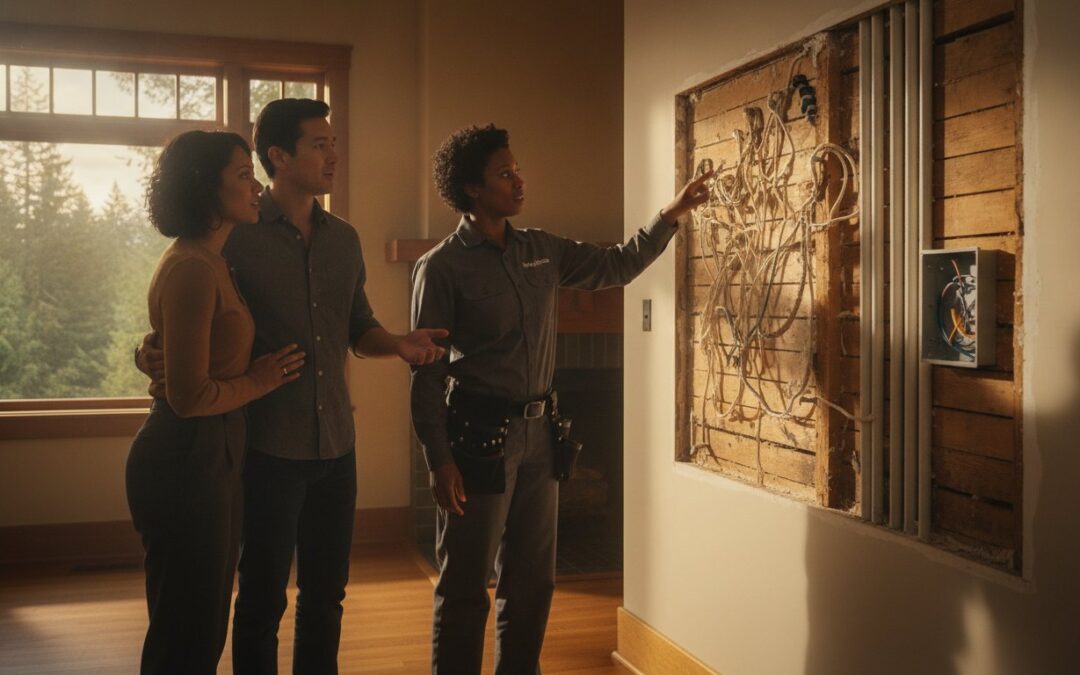
What if the only thing standing between you and a canceled homeowner’s insurance policy is the hidden wiring inside your walls? If you own a historic home in cities like Renton, Kent, Auburn, or Burien, you’ve likely felt that nagging worry when plugging in a modern appliance. You want to preserve the character of your home while keeping your family safe, yet the mixed messages about knob and tube wiring replacement can be exhausting. Many homeowners feel trapped between rising insurance premiums and the fear of a major renovation, but with Reinhart Electric & Service, Inc., you don’t have to face those concerns alone.
This guide will help you understand why replacing knob and tube wiring is essential for your home’s safety, insurance eligibility, and modern power needs in 2026. We’ll explore the truth about common safety myths, the impact of upcoming electrical code changes, and the methodical steps taken to protect your walls during a system update. Our goal is to replace your anxiety with a clear, professional path toward a safer and more reliable living environment for your family.
Key Takeaways
- Discover why Seattle’s historic homes rely on this century-old system and how it struggles to meet the power demands of 2026.
- Identify the critical safety risks, including the lack of grounding and brittle insulation, that increase fire hazards in older properties.
- Learn why knob and tube wiring replacement is often a requirement for maintaining your homeowner’s insurance and securing your property’s value.
- Explore our step-by-step process for mapping and updating your electrical system with minimal disruption to your home’s original character.
- Find out how a seasoned, local perspective ensures your project is handled with transparency and a focus on long-term safety.
What is Knob and Tube Wiring in My Seattle Home?
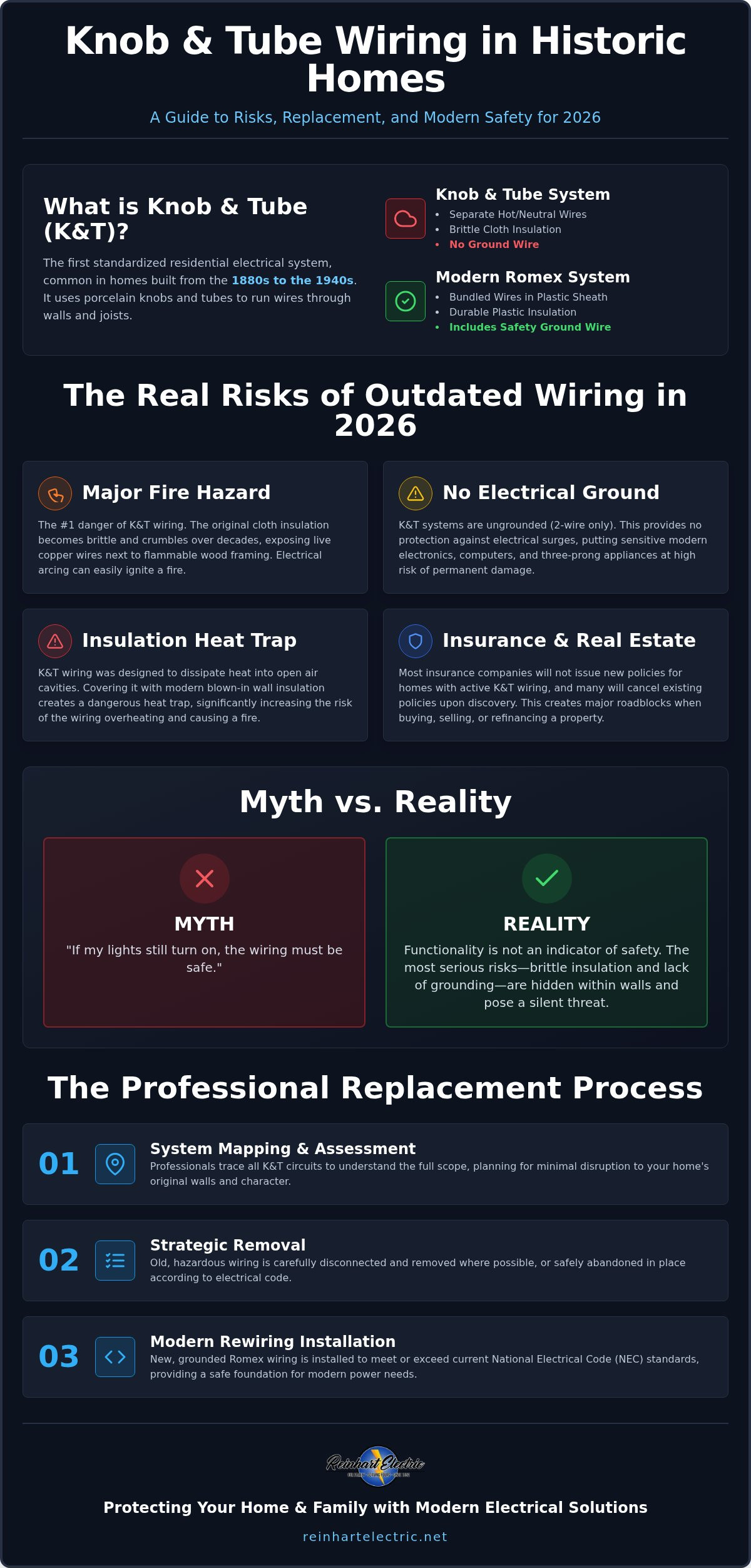
Seattle’s historic charm is often built on foundations from the early 20th century. If your home was built between the 1880s and the 1940s, it likely started its life with a specific electrical system. What is Knob and Tube Wiring? It was the first standardized method for bringing power into residential spaces. This system uses porcelain “knobs” to support the wires and “tubes” to protect them as they pass through wooden joists. It was a marvel of its time, providing reliable light to the first generation of electrified homes in the Pacific Northwest.
In neighborhoods like Queen Anne, Capitol Hill, and Renton Hill, these systems are incredibly common. The regional boom of that era left us with thousands of beautiful Craftsman and Victorian homes. You can often spot the signs of this old tech in your attic or crawlspace. Look for white porcelain cylinders and wires wrapped in dark, woven cloth. However, seeing a modern electrical panel in your basement doesn’t always mean you’re in the clear. Many Seattle homeowners live with “mixed systems.” This happens when previous owners updated the visible parts of the home but left the original knob and tube wiring replacement needs hidden deep within the walls. It’s a common discovery during renovations or insurance inspections.
The Anatomy of a Knob and Tube System
Unlike modern cables that bundle three wires together in a plastic jacket, K&T runs hot and neutral wires separately. Each wire has a single layer of cloth insulation. This system relies on “air-gap cooling.” The wires were spaced several inches apart to let heat dissipate into the open air of the wall cavity. While the porcelain insulators are nearly indestructible, the lack of a second protective layer makes the cloth wrapping vulnerable to physical damage, moisture, and pests. Over many decades, that cloth can become brittle and flake away, leaving bare copper exposed.
Historic Homes in King County and K&T
The homes in our community were built to last. Many have survived over a century thanks to high-quality timber and local craftsmanship. During the early 1900s, K&T was the gold standard for safety. It wasn’t until the late 1940s that the industry began the transition to Romex and grounded systems. With Washington state scheduled to adopt the 2026 National Electrical Code (NEC) on December 31, 2026, the standards for home safety continue to evolve. Because Reinhart Electric & Service, Inc. has been serving the Seattle area since 1952, we’ve seen these systems at every stage of their lifecycle. We understand how they were installed and why a methodical knob and tube wiring replacement is often the best way to honor the home’s history while ensuring its future.
The Real Risks of Keeping Knob and Tube Wiring in 2026
While these systems were once the height of innovation, they simply weren’t designed for the way we live today. Modern households use nearly ten times the power that a standard 1920s home required. This brings us to a significant safety concern: the lack of grounding. Knob and tube systems only have two wires, which means there is no dedicated path for stray electricity to reach the ground safely. This puts your sensitive electronics and three-prong appliances at serious risk of damage during a surge.
The physical condition of the wiring is another major factor. After decades of heat and air exposure, the original cloth insulation often turns into brittle dust. This degradation is a key part of the Myth vs. Reality: Debunking Common Beliefs About K&T, as many believe that because the lights still turn on, the system is fine. In reality, the moment that insulation crumbles, you have bare copper sitting inches away from dry, aged wood, making a knob and tube wiring replacement the only permanent solution for safety.
Fire Hazards and Arc Faults
When insulation fails, electrical arcing becomes a real possibility. This occurs when electricity jumps between wires or to a nearby surface, creating intense heat. Rodents often make the situation worse. They find the organic fibers in old cloth wrapping particularly attractive for nesting or chewing, which leaves even more sections of wire exposed. We also have to consider the thermal envelope. The thermal envelope is the physical barrier between the conditioned and unconditioned spaces of your home, and K&T systems require at least three inches of air space to prevent heat buildup. Because K&T relies on this air gap to dissipate heat, adding modern blown-in insulation directly over it creates a dangerous heat trap that can lead to a fire.
Insurance and Real Estate Roadblocks
In cities like Kent and Auburn, having an active K&T system can bring a real estate transaction to a screeching halt. Most major insurance carriers in Washington State now treat these systems as an unacceptable risk. They may cancel your policy or refuse to issue a new one until you complete a knob and tube wiring replacement. Lenders for FHA and VA loans are equally strict, often mandating a full update before closing. Investing in electrical code updates and safety compliance isn’t just about safety; it’s about protecting your home’s equity and staying eligible for standard insurance rates.
Myth vs. Reality: Debunking Common Beliefs About K&T
Owning a piece of Seattle’s history often comes with a steady stream of advice from neighbors and previous owners. Unfortunately, much of this “wisdom” is outdated or based on a misunderstanding of how electricity works. We often hear homeowners say, “It’s worked for eighty years, so it must be safe.” While the longevity of these systems is impressive, it isn’t a guarantee of future performance. A system built for a few lightbulbs and a radio simply can’t keep up with the power demands of a 2026 lifestyle. Relying on century-old technology for your high-wattage appliances is a gamble that grows riskier every year.
Another common misconception is that a clean home inspection report means your house is free of old wiring. In reality, knob and tube is frequently buried deep within wall cavities or hidden under floorboards where a visual inspection can’t reach. Some believe that a knob and tube wiring replacement requires tearing down every lath-and-plaster wall in the house. This isn’t true. Modern electrical techniques allow us to perform “surgical” updates. We use specialized tools to fish new wires through existing spaces, keeping the structural integrity and beauty of your historic home intact.
Finally, don’t fall for the idea that replacing only the visible wires in the attic or basement solves the problem. If the core of the circuit remains knob and tube behind your walls, the fire risk and insurance liabilities remain. A partial fix is often just a false sense of security.
The ‘Untouched’ Fallacy
Even if your original wiring looks “perfect,” it becomes dangerous the moment it’s connected to a modern high-amperage panel. We frequently find DIY “extensions” where previous owners spliced modern Romex into old K&T circuits. These junctions are notorious for overheating. Additionally, modern surge protection requires a dedicated ground wire to function. Without a full knob and tube wiring replacement, your expensive home theater and computer equipment have zero protection against voltage spikes, regardless of how many surge strips you plug in.
Cost vs. Value Myths
Waiting to update your wiring rarely saves money. With the rising cost of copper and general inflation in 2026, the price for materials and labor continues to climb. Investing in your home’s electrical health now provides an immediate return on investment by increasing your property’s marketability. In the competitive Seattle real estate market, a fully rewired home stands out to buyers who want to avoid the headache of post-purchase renovations. You’ll also see a direct impact on your monthly budget through lower insurance premiums, as most carriers offer better rates for homes with modern, grounded electrical systems.
The Replacement Process: What Homeowners Should Expect
The thought of opening up walls in a historic home can be stressful. We understand that your home’s original plaster and woodwork are irreplaceable. Our approach to knob and tube wiring replacement is designed to be as non-invasive as possible, prioritizing the preservation of your home’s character. The process follows a methodical path to ensure no circuit is left to chance and every modern safety standard is met.
The journey begins with a comprehensive electrical safety audit. Our team maps every inch of your existing system to identify where the old wiring hides and where previous “mixed system” splices might exist. Once we have a clear map, we move into the planning phase. We determine the most efficient paths to “pull” new wires through your home’s existing cavities. We then install modern Romex wiring and grounded outlets, providing the three-prong protection your electronics require. Finally, we perform electrical panel upgrades and service changes to ensure your home can handle a 200 Amp load, which is the standard for modern living in 2026.
Surgical Rewiring Techniques
We use specialized “fishing” techniques to navigate new cables through your walls. By using long, flexible rods and existing openings, we can often replace entire circuits with only a few small, easily repairable access points. This is much different than the “gut renovation” approach many homeowners fear. We can perform a full rewire or a circuit-by-circuit update depending on your specific needs and budget. Our goal is always to protect your home’s historic features while bringing the internal systems up to modern code.
Timeline and Preparation
For a typical 2,000 square foot home in Des Moines or Burien, a full knob and tube wiring replacement usually takes between five and ten business days. You can help the process move quickly by ensuring our crew has clear access to your attic and crawlspace. Clear away stored boxes or debris from these areas before the start date. You should expect some temporary power outages during the day as we swap old circuits for new ones, but we always strive to leave you with functional power in essential areas each evening. We remain a steady, calm hand throughout the project, keeping you informed of our progress every step of the way.
Modernizing Your Historic Home with Reinhart Electric & Service, Inc.
Choosing a partner for your home’s electrical health is a decision that impacts your family’s safety for decades. At Reinhart Electric & Service, Inc., we’ve been part of the local community since 1952. This 70 plus year history means we didn’t just start studying historic systems recently; we’ve been working with them since they were the industry standard. Our team brings a level of multi-generational expertise that is rare in the Puget Sound area. We treat every knob and tube wiring replacement with the care it deserves, balancing technical precision with a deep respect for the architectural integrity of your property.
One of the biggest concerns for homeowners is the fear of hidden costs. We address this through transparent pricing and “no surprises” contracts. We provide a clear, methodical breakdown of the work required before we ever pick up a tool. This honesty is the foundation of the trust we’ve built with our neighbors over the last seven decades. Beyond the technical work, we handle the logistics of coordination with local King County and Seattle inspectors. We ensure your project meets every requirement of the 2026 National Electrical Code amendments, providing you with a seamless path to compliance and long term peace of mind.
The Reinhart Advantage for Seattle Homeowners
Our experience spans the unique building styles found across the region, from the steep hills of Queen Anne to the historic pockets of Auburn and Tukwila. We know how these homes were framed, which allows us to work more efficiently and with less disruption to your daily life. We use a methodical approach to protect your home’s interior, covering surfaces and minimizing dust at every turn. If questions arise during your knob and tube wiring replacement, our team is available 24/7 to provide the support and answers you need. We believe in being a steady, helpful guide throughout the entire modernization process.
Ready to Secure Your Home’s Future?
Taking the first step toward a safer home doesn’t have to be overwhelming. We start every project with a thorough evaluation to give you the facts you need to make an informed decision. Our experts can help you with budget planning and explore available options to make a full rewire manageable for your household. You don’t have to live with the anxiety of outdated wiring or the threat of insurance cancellations any longer. We are here to help you transition your historic home into a modern, safe environment that is ready for the power demands of the future.
Take the first step toward a safer, more reliable home today. Contact Reinhart Electric & Service, Inc. for a Professional Safety Audit and let our family protect yours.
Protect Your Seattle Home’s Legacy
Your home is more than just a structure; it’s a piece of Northwest history that deserves to be protected for the next generation. We’ve explored how outdated systems struggle with modern power demands and why insurance companies increasingly mandate updates for safety. By choosing a methodical knob and tube wiring replacement, you eliminate hidden fire hazards and ensure your property remains a valuable, insurable asset in the competitive Seattle market.
Since 1952, our family-owned and operated business has provided a steady, expert hand for homeowners navigating these complex updates. Reinhart Electric & Service, Inc. brings three generations of experience in historic home electrical code updates to every project, ensuring your modernization is handled with transparency and respect for your home’s character. You don’t have to let the fear of wall damage or technical confusion hold you back from a safer living environment for your family.
Schedule your Seattle home electrical safety audit with Reinhart Electric & Service, Inc. today! We are ready to help you secure your home’s future with the professional care and neighborly service we’ve provided for over seventy years.
Frequently Asked Questions
Is knob and tube wiring illegal in Washington State?
No, it is not illegal to have active knob and tube wiring in an existing Washington home. However, it is no longer permitted for new construction or additions. Current state codes require that any remaining systems be maintained in good condition, and many local jurisdictions require a licensed electrician to certify the system’s integrity if you plan to add attic insulation.
Can I get homeowners insurance with knob and tube wiring in 2026?
Obtaining homeowners insurance with active knob and tube wiring in 2026 is increasingly difficult. Most major carriers in the Seattle area now treat these systems as high-risk, often leading to policy denials or significantly higher premiums. Many insurers will only provide a policy on the condition that a full knob and tube wiring replacement is completed within thirty days of the home purchase.
How much does it cost to replace knob and tube wiring in a standard home?
The total investment for a rewiring project varies based on the size of your home and the complexity of its construction. Factors such as the number of stories, the accessibility of your attic and crawlspace, and the total number of outlets being updated will influence the final scope. We focus on providing transparent, detailed estimates so you understand the work required before we begin.
Do I have to tear down my plaster walls to replace the wiring?
You do not need to tear down your lath-and-plaster walls to update your system. Our team uses specialized “fishing” techniques to pull new modern wiring through existing wall cavities with minimal disruption. While we may need to make small, strategic access points, these are much easier to repair than a full wall removal, helping preserve your home’s historic charm and character.
Can I just replace the outlets and keep the knob and tube wiring?
Replacing two-prong outlets with three-prong versions without changing the underlying wires is dangerous and does not provide a true ground. This practice masks the safety issue without fixing it. A proper knob and tube wiring replacement is the only way to provide the dedicated grounding path required by modern electronics and current safety codes to protect your sensitive devices.
What happens if I ignore the knob and tube wiring in my attic?
Ignoring old wiring in your attic can lead to serious fire hazards, especially if the wires are covered by insulation. Knob and tube systems require an air gap to dissipate heat. When that gap is closed, or when the cloth insulation becomes brittle from decades of temperature swings, the risk of electrical arcing and wood ignition increases significantly over time.
How can I tell if my home has knob and tube wiring without opening walls?
You can often identify the system by looking for white porcelain cylinders and cloth-covered wires in unfinished areas like your attic, basement, or crawlspace. Another common indicator is the presence of original two-prong outlets throughout the living areas. If your home was built before 1950 and hasn’t been fully renovated, there is a high probability that some original wiring remains hidden.
Does a panel upgrade fix the problems with knob and tube wiring?
An electrical panel upgrade provides a safer “brain” for your home, but it does not fix the “veins” of the system. While a new panel handles higher loads and offers better circuit protection, the old knob and tube wires in your walls remain ungrounded and vulnerable to insulation breakdown. Both parts of the system need to be modernized to ensure complete home safety.